Thursday, December 17, 2020

Family Child Care Home Licensing Information

As of January 1, 2018, all Standard Precautions trainers must use the new Department-approved Standard Precautions face-to-face training materials. The Division of Early Care and Learning reserves the right to periodically audit all approved trainers and training. All vendors must submit required forms annually to renew their DECL approval. The Pre-Licensing Course Book will be given out the first day of class. You can access the course book and individual forms on the website. A Licensing Program Analyst will contact you to schedule an inspection of your home.

family child care home pre licensing workshops

Child care Center staff may work with their Division of Early Care and Learning Licensing Specialist to complete this training on-site at their facility. While international daycare can be a bit more difficult to find, there are several potential benefits. Some schools may offer reduced fees for parents with lower incomes, but, again, this will vary depending on the school. Fees for schulhort vary depending on the service being offered, what facilities are required, how long the child is looked after for, and whether any meals are included. While this could mean the process is fairly easy, if your child’s school doesn’t have the means to cope with the demand, it could put parents in a tricky situation. As a result, they’ll have to consider alternatives such as a childminder.

Tips for Choosing This Type of Care

If you are interested in also providing Standard Precautions training, complete the Standard Precautions Training Attestation on the Colorado Shines Professional Development Information System . Copy of the certificate each participant will receive upon completion of training. To become a DECL-approved training vendor, you must follow the guidelines specific for each type of training. In addition to medication administration, this course covers the prevention and response to emergencies due to food and allergic reactions.

Much like kinderkrippe, children engage in educational play, usually taking a step up with more advanced games. There’s also an introduction to learning about letters, numbers, values, good behavior, and movements through games or dance. You must provide documents to verify your identity and address. Take your passport or driving license, documentation showing your name and address. If you’re planning for your child to spend several hours at a creche, check to see any food is provided.

SUPPORT FOR HOME-BASED CHILD CARE PROGRAMS

Children aged between 3 and 6 are entitled to a place at preschool. You don’t need to navigate the world of child care licensing rules alone — that’s what we’re here for! Contact us to get connected with one of our Quality Navigators. The operator of the Family Child Care Home, as well as any employees, must complete theCriminal Record Background Check. New Family Child Care Home providers must ensure that all household members over the age of 15 who are present while children are in care also complete a Criminal Record Background Check.

The number of infants and toddlers that can be cared for in a family child care home is often limited. In this type of child care arrangement, providers care for small groups of children in a residential building—a house, apartment, or condo unit. Depending on the regulations in your state, this may or may not be the same home that the provider lives in. They do not need certification, as staff are who work in kitas and kindergartens.

Costs of international daycare in Germany

You’ll need to make an appointment with the creche’s administrator to register yours and your child’s details. There will often be time playing outdoors, singing songs, reading picture books and perhaps learning to play simple musical instruments. Socializing is the main aim here; children learn to get along with others and develop communication skills. The State Youth Welfare Office (Landesjugendämter) of the state supervises the provision of German preschool.

Many families choose family child care homes because they like the family environment and the smaller number of children. Home-based programs provide a consistent caregiver for your child and may offer flexible hours if you need care in the evenings or weekends. Families with multiple children also like that siblings are cared for together rather than separated into different age groups. Family child care homes are often less expensive than center-based child care programs, but rates within your community may vary.

Home daycare (Kindertagespflege)

You may register for an online orientation or in-person orientation. In-person orientations are scheduled on a regular basis throughout California. Come prepared with emergency and doctor contact information. Activities vary, but often include playing board games, learning crafts, playing instruments, learning karate, or playing football. Again, there should be a relatively low ratio of children to educators.

family child care home pre licensing workshops

The Colorado Shines PDIS also calculates your Early Childhood Professional Credential level. This training is required for Family Child Care Home staff only. Family Child Care Home applicants must complete this training prior to the initial licensing visit.

If you decide to return to work, Kitas also bridge the gap until your child starts attending primary school at age 6. The question of whether a family child care provider is required to be licensed or is license exempt often depends on the number of children the provider cares for. For example, some states require family child care homes to be licensed if they care for more than one child who is not related to the provider. Some states don’t require any regulations unless the provider is caring for six or more children. It’s a German preschool daycare service for children between three and five/six. Depending on their birthday, children move onto full-time primary school education while they’re six-years-old.

family child care home pre licensing workshops

The aim of kinderkrippe is to get your child used to socializing with other children from a young age. Kinderkrippe is a creche for very young children, usually between the ages of one to three. Your documents will be assessed by the Youth Welfare Office and, if you are deemed to have a low income, you will receive a voucher to reimburse you for the cost of all or part of the Kita fees. If your preferred facility is a public Kita, you need to fill out and return a form to the Jugendamt, to indicate which you prefer. Nurseries in Germany are run by a mixture of private, public and religious organisations. At Krippe, the emphasis is on socialisation, playing, singing and excursions, all under the supervision of early years educators.

The North Carolina Birth-through-Kindergarten degree and license prepares early childhood educators to work with young children, from birth through age five years. This includes children with and without disabilities, and at-risk children. Print a list of questions and things to look for that you can take with you when visiting a potential child care program. Make sure that the provider’s policies and opinions on discipline, supervision, safe sleep, nutrition, child development, and learning align with what you want for your child. Through the Colorado Shines PDIS, online courses, scholarships, opportunities to connect with other early childhood professionals and other resources are provided at no cost to you.
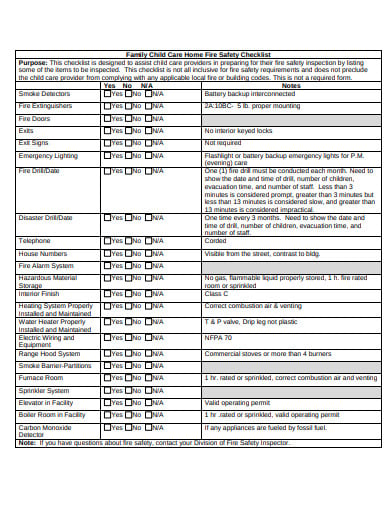
family child care home pre licensing workshops

Select the state where you live and click the Submit button. You will have access to a wide variety of child care information for your specific state including “Inspection Reports” and “Child Care Licensing” under the Understanding and Finding Child Care section. Child care providers are required to complete this training prior to working with children and must renew this training annually.

Research into how young children fared when their parents were not from Germany concluded that migrant parents find it more difficult to find daycare for their children. For many years, the birth rate in Germany had fallen to a worryingly low level. The blame fell on the country’s lack of subsidized childcare services. There may be a few services from local authorities and churches, depending on where you live.

family child care home pre licensing workshops

Wednesday, December 16, 2020

Dumbbell Workout at Home Apps on Google Play

A lot of exercisers find reverse lunges easier on their knees than forward and walking lunges. Less knee strain leaves you free to focus on working your quads, glutes, and hamstrings. Do all the reps on one side before switching over.

Do 2-4 sets of 8-12 reps of the following exercises. Place a dumbbell on the floor between your feet, which should be about shoulder-width apart. Bend down, place your hands on the floor, and jump your feet back and out into the push-up position. Swings work your posterior chain, which is the collective term for the muscles on the back of your body, including your hamstrings, gluteus maximus, and erector spinae. You want to build big shoulders and you only have access to a few pairs of dumbbells. I’m going to show you what to do whether...

Let’s do legs!

Patrick Dale is an ex-British Royal Marine, gym owner, and fitness qualifications tutor and assessor. In addition, Patrick is a freelance writer who has authored three fitness and exercise books, dozens of e-books, thousands of articles, and several fitness videos. He’s not just an armchair fitness expert; Patrick practices what he preaches! He has competed at a high level in numerous sports, including rugby, triathlon, rock climbing, trampolining, powerlifting, and, most recently, stand up paddleboarding. When not lecturing, training, researching, or writing, Patrick is busy enjoying the sunny climate of Cyprus, where he has lived for the last 20-years.

You can make them easier by doing the opposite of the above, and also using less demanding versions of the exercises. For example, do push-ups on your knees or do bodyweight-only squats instead of goblet squats. Most dumbbell exercises can be done with a kettlebell. Still, you may need to modify your grip to make them more comfortable. Some exercises, like goblet squats, actually work better with kettlebells. Use whatever you’ve got, and, providing you work hard enough, you’ll still get a great workout.

Enjoy the app while offline

Step your feet forward, and place your hands on the edge of the bench. Hover your body just in front of the bench with your arms straight. Bend at the elbows, using your triceps to slowly lower yourself down until your elbows reach 90 degrees and you feel a slight stretch in your triceps. Push back up to the starting position and repeat. To perform the dumbbell pullover, pick up one moderately heavy dumbbell.

1 dumbbell workout at home

Let all the motion be at your elbow joints. Don’t drive too much with your lats. People too often lunge directly backwards, narrowing the base of support too much, so you wind up losing your balance. When the goal is building muscle, balance should not be your focus. Keeping your legs a little bit wider will provide you with the stability you need to focus on new muscle growth. You can build muscle at home with the dumbbells you have now if you know how to train properly with them.

Different Ways of Dry Fasting: Benefits & Side Effects

The dumbbells are made of high-quality, high-density steel, making them much smaller than conventional concrete or cast-iron dumbbells. With this compact dumbbell the exercises can be performed more effectively, which deepens the muscle stimulation and improves the training effect. What’s more, the weight plates are precisely cut from solid steel. Each weight plate is screwed together and does not come off like conventional weight plates. Its handles are also made of elastic foam that offers extra comfort and protection during workout. You just won't work the stronger muscles as well as you would those that would feel more challenged.

But YouTuber and CrossFit enthusiast Absolute Beast has come up with an efficient set of CrossFit workouts you can do at home that only require a dumbbell . As one viewer commented, "Love them all, hate them all." Bodyweight training, also known as calisthenics, is the original strength workout. Humans have been exercising with just their body weight... You may need to modify your chosen workout to reflect your dumbbell alternative.

Pull your shoulders down and back, and brace your core. The supination curl is one of the best biceps exercises around. The biceps brachii is a two-headed muscle located on the front of your upper arm. In terms of equipment, you can get a great workout using nothing but your body weight. Providing you push your muscles close enough to failure, they’ll adapt by getting bigger and stronger.

1 dumbbell workout at home

You don’t need an entire rack of dumbbells or a commercial gym membership to get a full-body workout. The T-Bar Row is a classic lift you can do with a single dumbbell. Use a crush grip to mimic the mechanics of the T-Bar Row form.

Total Body 2

Step backward into a reverse lunge, then back up and then perform a goblet squat. This workout is done in giant sets with no rest in between exercises. “The continual movement of this workout will hit your entire upper body and leave your muscles burning,” Lowe says.

1 dumbbell workout at home

Stand tall, with your feet spread wide and your hips turned outward slightly. If you want to firm up your stomach, you’re not alone. In the quest to lose weight and get in shape, many people focus on eliminating their belly fat as a primary target. This simple guide breaks down breathing while you exercise so you can make the most of your workouts. If you’re the type of person that motivates yourself by going to the gym, good for you.

The first 4 hit your shoulder muscles, arms, chest, back and legs, and the last 2 are optional direct arm work thrown in for a killer workout. You don’t need a gym membership to have a solid daily workout routine. While bodyweight workouts are great, adding some dumbbell at-home workouts to the mix can really takes things up to the level you’d get at a gym. If you want more toned arms, keep reading. We asked Meier to share her favorite tricep workout that will firm up saggy arms and keep an overall tight upper body physique. After that, check out The Ultimate 'Turkey Wings' Kettlebell Workout for Sagging Arms.

1 dumbbell workout at home

Keeping your hands pronated, lower the weights toward the starting position. Hold a dumbbell in each hand by your sides, palms facing your legs. Bend your arms and, as your elbows reach a 90-degree angle, rotate your hands, so they are palms up.

Dumbbell Arm Workout At Home: 8 Best Exercises for Bigger Guns

Stand with your feet about hip-width apart, and engage your core. Bring the dumbbells in towards your sternum, then extend your arms and press the dumbbells away from you in a straight line, keeping them pressed together. Lie flat on your back with your knees bent and feet on the floor. Have a dumbbell in each hand. Engage your core, and use your abdominal muscles to lift your upper body off the ground.

1 dumbbell workout at home

Engage your core, and maintain a straight back. Bend both knees until they form a 90-degree angle, then push yourself back to the starting position. Alternate legs, then walk forward or repeat the movement with the same leg. Perform two to four sets of 12 to 20 reps with each leg.

#2. Dumbbell floor press

“Combining exercises in a superset can be just as metabolically challenging as performing multiple exercise circuits,” Lowe says. “The goal of this workout is to stay moving the entire time while the reps decrease with each set,” Lowe says. Your abs will be ablaze from the first set to the last. In fact, all you really need is a pair of adjustable dumbbells and a bench if you don’t want to lie on the floor. Push your lower back into the floor and lift your head and shoulders off the floor, pushing the weights up toward the ceiling as you do so. Lower the weights back to your shoulders and repeat.

1 dumbbell workout at home

"Focusing on one side at a time during an exercise helps ensure each side is pulling its weight during movements when you're using both sides at once," explains Meier. "This also helps avoid muscle imbalances. For example, if one arm is weaker, try adding a few extra reps on that side to strengthen it safely over time." "If this exercise is too difficult, you can scale it back by keeping your feet closer to the bench and bending your knees as you lower down," instructs Meier. The goal is to perform three sets of 10 to 12 reps. First up in our tricep workout is the bench dip.

Caesar Bacarella Is Building a Fitness Empire at Full Speed

If you’re using a pair of dumbbells, do the Dumbbell Clean and Press. Explosively clean the dumbbell up to one shoulder, press it up and overhead to the other side, bring it back down to the floor and repeat. This total-body workout will have you exhausted and done—fast,” Lowe says.

1 dumbbell workout at home

Hold the dumbbells in a vertical orientation, with both ends of each bell touching, aligned with your sternum. Squeeze the muscles of your chest as you “crush” the dumbbells together, then press both dumbbells towards the ceiling. Slowly lower the weights back down to the starting position, keeping pressure on the dumbbells. Here's how to do kickbacks to tighten and tone those arms. Stand with your knees slightly bent and a dumbbell in each hand, with your palms facing your hips. Keeping your back straight and your shoulders back, hinge at the hips until your upper body is parallel to the floor.

3×3 full-body single dumbbell and bodyweight workout

Let all the motion be at your elbow joints. Don’t drive too much with your lats. People too often lunge directly backwards, narrowing the base of support too much, so you wind up losing your balance. When the goal is building muscle, balance should not be your focus. Keeping your legs a little bit wider will provide you with the stability you need to focus on new muscle growth. You can build muscle at home with the dumbbells you have now if you know how to train properly with them.

1 dumbbell workout at home

Also known as the surfboard press, this exercise works your shoulders, triceps, and core. It has a nice alternating action, which makes it ideal for one dumbbell, non-stop, circuit training. While you can do leg raises without a dumbbell, using one to anchor your upper body to the floor means you are free to really focus on working your abs.

Stand your dumbbell on its end between your feet. Squat down and grip the top of your dumbbell. Straighten your arms, lift your chest, brace your abs, and arch your lower back slightly. Stand your dumbbell on its end about 2-3 feet in front of your hands.

Bring the dumbbell behind your head with your tricep perpendicular to the floor; your elbow should be pointing up toward the ceiling. Engage your triceps to raise the dumbbell straight up until your arm is fully extended. Maintain a slight bend at the top to prevent your elbow from locking out. Slowly lower the dumbbell back down to the starting position. You can use your free arm for balance during this exercise. Complete your reps on one side before doing them on the other.

#8. Dumbbell French press

The classic theory of "Upper, Middle, and Lower" chest exercises is a good start, but, it's not enough!! The solution to this problem is to not... The Incline Bench Press is one of the best upper chest exercises there is, but there's one major problem preventing us from getting the maximum...

1 dumbbell workout at home

Here's how to do it, along with a couple of variations. Intraday Data provided by FACTSET and subject to terms of use. Historical and current end-of-day data provided by FACTSET.

Do 2-4 sets of 8-12 reps of the following exercises. Place a dumbbell on the floor between your feet, which should be about shoulder-width apart. Bend down, place your hands on the floor, and jump your feet back and out into the push-up position. Swings work your posterior chain, which is the collective term for the muscles on the back of your body, including your hamstrings, gluteus maximus, and erector spinae. You want to build big shoulders and you only have access to a few pairs of dumbbells. I’m going to show you what to do whether...

1 dumbbell workout at home

For this workout, you are going to perform a set of two-handed dumbbell swings at the top of every odd minute, and a set of push-ups at the top of every even minute. Do ten sets of each to total 20 minutes. Raise a single dumbbell into the starting position for goblet squats.

Saturday, August 15, 2020

List Of Have Never Been To The Dentist Ideas

30 Dentist Memes That Are Seriously Funny
30 Dentist Memes That Are Seriously Funny from sayingimages.com

Are you one of the many people who have never been to the dentist? If so, you may be missing out on important dental care that could improve your overall health. Going to the dentist is not just about getting a cleaning or filling cavities, it's about taking care of your teeth and gums to prevent more serious issues down the line. In this article, we will explore the reasons why some people have never been to the dentist, debunk myths surrounding dental visits, provide tips for overcoming fear, and highlight the importance of regular dental check-ups.

The Pain Points of Never Visiting the Dentist

For those who have never been to the dentist, there are several pain points that may arise. Without regular dental check-ups, you are more likely to experience tooth decay, gum disease, and other oral health issues. Additionally, untreated dental problems can lead to more serious health issues such as heart disease, diabetes, and respiratory infections. It's important to address these pain points by scheduling a dental appointment and taking steps to overcome any fear or anxiety.

Answering the Target of Never Visiting the Dentist

If you have never been to the dentist, it's important to understand that dental visits are not something to be feared. Dentists are trained professionals who are there to help you maintain good oral health. By going to the dentist, you can receive preventive care, such as cleanings and exams, that can catch any issues early on and prevent more serious problems from developing. Additionally, dentists can provide treatments for existing dental problems, such as fillings or root canals, to alleviate pain and restore your oral health.

Main Points about Never Visiting the Dentist

Never visiting the dentist can have negative consequences for your oral and overall health. Regular dental check-ups are essential for preventing tooth decay, gum disease, and other oral health issues. Dental visits can also help identify and treat underlying health conditions. Overcoming fear or anxiety about dental visits is crucial for ensuring your long-term oral health. By scheduling regular dental appointments and practicing good oral hygiene, you can maintain a healthy smile and prevent serious health issues.

Personal Experience with Never Visiting the Dentist

As someone who has never been to the dentist, I can understand the fear and uncertainty that can surround dental visits. However, I recently decided to overcome my fear and schedule my first dental appointment. The experience was much better than I anticipated. The dentist and dental hygienist were both friendly and professional, and they made me feel at ease throughout the entire visit. They performed a thorough examination and cleaning, and I left feeling confident about my oral health. Going to the dentist is not as scary as it may seem, and I now understand the importance of regular dental check-ups.

When it comes to never visiting the dentist, it's important to understand that dental care is not just about having a clean and healthy smile. It's about taking care of your overall health. Poor oral health has been linked to various health problems such as heart disease, diabetes, and respiratory infections. By neglecting your dental health, you are putting yourself at risk for these serious conditions.

What is Never Visiting the Dentist?

Never visiting the dentist refers to the act of not seeking regular dental care or avoiding dental visits altogether. This could be due to fear or anxiety, lack of access to dental care, or simply neglecting one's oral health. However, neglecting dental care can lead to a range of oral health issues, including tooth decay, gum disease, and tooth loss. It's important to prioritize regular dental check-ups to maintain good oral health and prevent more serious problems from arising.

The History and Myth of Never Visiting the Dentist

The fear and anxiety associated with visiting the dentist can be traced back to historical practices and myths surrounding dental care. In the past, dental procedures were often painful and lacked proper anesthesia, leading to traumatic experiences for patients. Additionally, myths about dental visits, such as the belief that they are always painful or unnecessary, have contributed to the fear and avoidance of dental care. However, modern dental practices have advanced significantly, and dentists now prioritize patient comfort and provide a range of pain management options.

The Hidden Secret of Never Visiting the Dentist

The hidden secret of never visiting the dentist is that by avoiding dental care, you are putting your oral and overall health at risk. Dental issues, such as tooth decay and gum disease, can progress silently and without symptoms, leading to more serious problems down the line. Regular dental check-ups can catch these issues early on and prevent them from becoming more severe. Additionally, dentists can provide valuable guidance on oral hygiene practices and lifestyle habits that can promote good oral health.

Recommendations for Never Visiting the Dentist

If you have never been to the dentist, there are several recommendations you can follow to overcome your fear or anxiety and prioritize your oral health. First, find a dentist who makes you feel comfortable and at ease. Communicate your fears and concerns with the dental staff, and they can provide additional support and reassurance. Consider bringing a trusted friend or family member to accompany you to your appointments for emotional support. Lastly, educate yourself about the importance of dental care and the benefits it can bring to your overall health.

Exploring the Topic of Never Visiting the Dentist

Never visiting the dentist is a topic that encompasses various aspects of oral health and overall well-being. It involves understanding the potential consequences of neglecting dental care, debunking myths and fears surrounding dental visits, and taking steps to prioritize regular dental check-ups. By exploring this topic in more detail, individuals who have never been to the dentist can gain a better understanding of the importance of dental care and take action to improve their oral health.

Tips for Never Visiting the Dentist

If you have never been to the dentist, there are several tips you can follow to make your first dental visit a positive experience. First, communicate your fears and concerns with the dental staff so they can provide additional support and reassurance. Take deep breaths and practice relaxation techniques to help calm any anxiety. Consider bringing headphones and listening to soothing music during your appointment to create a more comfortable environment. Lastly, remember that the dental team is there to help you and improve your oral health.

Question and Answer about Never Visiting the Dentist

Q: Is it normal to be afraid of going to the dentist? A: It is common for people to feel some level of fear or anxiety about going to the dentist. However, dentists are trained professionals who prioritize patient comfort and can provide various techniques to help alleviate fear. Q: What can happen if I never go to the dentist? A: If you never go to the dentist, you are at a higher risk for developing oral health issues such as tooth decay, gum disease, and tooth loss. Additionally, untreated dental problems can lead to more serious health issues. Q: How often should I visit the dentist? A: It is recommended to visit the dentist at least twice a year for regular check-ups and cleanings. However, the frequency may vary depending on your individual oral health needs. Your dentist can provide personalized recommendations. Q: What can I do to overcome my fear of going to the dentist? A: Overcoming fear of the dentist can be a gradual process. Communicate your fears with the dental staff, practice relaxation techniques, and consider seeking support from a therapist specializing in dental anxiety.

Conclusion of Never Visiting the Dentist

Never visiting the dentist can have serious consequences for your oral and overall health. By prioritizing regular dental check-ups and overcoming any fear or anxiety, you can maintain good oral health and prevent more serious issues from arising. Remember, dentists are there to help you and provide the necessary care to keep your smile healthy and bright. Schedule that dental appointment today and take control of your oral health.

List Of Do Dentists Like Smile Direct 2023

Dentist Jokes Why do dentists like...
Dentist Jokes Why do dentists like... from www.best-funny-jokes.com

Are you considering using Smile Direct Club to straighten your teeth, but wondering if dentists approve of this method? In this article, we will explore the topic of whether or not dentists like Smile Direct Club and provide you with all the information you need to make an informed decision.

Pain Points Related to Do Dentists Like Smile Direct

One of the main concerns that dentists have with Smile Direct Club is the lack of direct supervision by a dental professional. With this at-home aligner system, patients take their own impressions and receive their aligners through the mail. This means that there is no in-person evaluation or monitoring by a dentist throughout the treatment process. Dentists worry that without proper supervision, potential issues with the teeth and gums may go unnoticed and could lead to complications.

Answering the Target of Do Dentists Like Smile Direct

While opinions may vary among dentists, many dental professionals have expressed concerns about Smile Direct Club. Some dentists believe that the lack of direct supervision and the potential for complications make this method less desirable compared to traditional orthodontic treatment. However, it is important to note that not all dentists hold this view, and some may see value in Smile Direct Club for certain cases.

Summary of Do Dentists Like Smile Direct

In summary, dentists have mixed opinions about Smile Direct Club. While some see potential risks and prefer traditional orthodontic treatment, others may view Smile Direct Club as a viable option for certain individuals. It is important to consult with a dentist or orthodontist to determine the best treatment plan for your specific needs.

Do Dentists Like Smile Direct: Personal Experience and Explanation

As a dental professional, I have encountered patients who have used Smile Direct Club. One patient in particular, Sarah, decided to try Smile Direct Club as a more affordable and convenient alternative to traditional braces. She had minor crowding in her lower front teeth and wanted to improve her smile.

Sarah shared her experience with me, explaining that she found the process of getting started with Smile Direct Club relatively easy. She ordered an impression kit, followed the instructions to take her own dental impressions, and sent them back to the company. A few weeks later, she received her aligners in the mail.

Throughout the treatment, Sarah diligently wore her aligners as instructed and followed the recommended treatment plan. She did experience some discomfort initially, similar to what one might feel with traditional braces. However, after a few days, the discomfort subsided, and she adjusted well to wearing the aligners.

After several months of treatment, Sarah was pleased with the results. Her lower front teeth were straighter, and she felt more confident in her smile. However, she did mention that she missed the personalized care and guidance that she had received from her previous dentist during other dental procedures.

In Sarah's case, Smile Direct Club provided a satisfactory outcome. However, it is important to note that every individual's dental situation is unique, and what works for one person may not be suitable for another.

What is Smile Direct Club?

Smile Direct Club is a company that offers at-home teeth straightening solutions. They provide clear aligners that are custom-made for each individual's teeth. The aligners gradually shift the teeth into their desired positions, similar to traditional braces or other clear aligner systems like Invisalign.

The main difference with Smile Direct Club is that the entire process is done remotely. Patients take their own dental impressions using an impression kit provided by the company. These impressions are then used to create a series of aligners that the patient wears over a specified period of time.

Smile Direct Club aims to make orthodontic treatment more accessible and affordable for individuals who may not have easy access to traditional orthodontic care. They advertise their services as a convenient alternative to in-person visits with a dentist or orthodontist.

The History and Myth of Smile Direct Club

Smile Direct Club was founded in 2014 by Alex Fenkell and Jordan Katzman. The company's mission was to provide a more affordable and convenient option for teeth straightening. They aimed to disrupt the traditional orthodontic industry by offering at-home aligner kits that could be ordered online.

However, Smile Direct Club has faced criticism and legal challenges throughout its existence. Some dentists and orthodontists have raised concerns about the lack of in-person supervision and the potential for complications. Various dental boards and regulatory bodies have also investigated the company's practices and raised questions about the safety and effectiveness of at-home aligner treatment.

It is important to separate fact from fiction when it comes to Smile Direct Club. While the company has gained popularity and has helped many individuals achieve straighter smiles, it is not without its controversies.

The Hidden Secret of Smile Direct Club

One of the hidden secrets of Smile Direct Club is the importance of proper oral hygiene during treatment. While wearing the aligners, it is crucial to maintain good oral hygiene habits to prevent cavities, gum disease, and other dental issues. The aligners can trap food particles and bacteria against the teeth and gums, increasing the risk of dental problems if proper care is not taken.

Additionally, it is essential to follow the treatment plan provided by Smile Direct Club and wear the aligners as directed. Deviating from the recommended schedule or skipping aligner wear can result in suboptimal results and may prolong the treatment process.

Another hidden secret is that Smile Direct Club may not be suitable for everyone. Individuals with more complex orthodontic issues, such as severe crowding or bite misalignment, may require more comprehensive treatment options that can only be provided by a dentist or orthodontist.

Recommendations for Smile Direct Club

If you are considering Smile Direct Club as a teeth straightening option, it is important to consult with a dentist or orthodontist before making a decision. They can evaluate your oral health and determine if at-home aligner treatment is suitable for your specific needs.

Additionally, it is crucial to weigh the potential risks and benefits of Smile Direct Club. While the convenience and affordability may be appealing, it is essential to consider the lack of in-person supervision and the potential for complications. For some individuals, the benefits may outweigh the risks, but for others, traditional orthodontic treatment may be a better option.

Do Dentists Like Smile Direct: Exploring the Topic in More Detail

When it comes to the topic of whether dentists like Smile Direct Club, it is important to consider the different perspectives within the dental community. Some dentists may have reservations about at-home aligner treatment due to concerns about the lack of in-person supervision and potential risks. They may prefer traditional orthodontic treatment methods that involve regular visits to a dental professional.

On the other hand, some dentists may see value in Smile Direct Club for certain cases. They may view it as a more accessible and affordable option for individuals who may not have easy access to traditional orthodontic care. These dentists may consider at-home aligner treatment as a viable alternative in specific situations where the dental issues are relatively minor and do not require complex orthodontic interventions.

It is important to have open and honest discussions with your dentist or orthodontist about your treatment options. They can provide you with personalized recommendations based on your specific dental needs and help you make an informed decision.

Tips for Using Smile Direct Club

If you decide to use Smile Direct Club for teeth straightening, here are some tips to ensure a successful treatment process:

  1. Follow the treatment plan provided by Smile Direct Club: It is important to wear the aligners as directed and follow the recommended schedule for switching to the next set of aligners.
  2. Maintain good oral hygiene: Brush and floss your teeth regularly, and clean your aligners daily to prevent plaque buildup and dental issues.
  3. Communicate with Smile Direct Club: If you have any concerns or questions during your treatment, reach out to Smile Direct Club's customer support for assistance.
  4. Stay committed: Consistency is key. Make sure to wear your aligners for the recommended amount of time each day to achieve optimal results.

Conclusion of Do Dentists Like Smile Direct

In conclusion, dentists have mixed opinions about Smile Direct Club. While some may have concerns about the lack of in-person supervision and potential risks, others may see value in at-home aligner treatment for certain cases. It is important to consult with a dental professional to determine the best treatment plan for your specific needs and consider the potential risks and benefits before making a decision.

Friday, August 14, 2020

List Of Why Do Dentists Have High Suicide Rate 2023

cheerful female dentist holding drill and smiling near patient
cheerful female dentist holding drill and smiling near patient from fountainhillsdentist.com

Why do dentists have high suicide rates? It's a question that may not have crossed your mind before, but the answer is both surprising and concerning. In recent years, there has been a growing awareness of the mental health challenges faced by dentists, leading to an alarming statistic - dentists have one of the highest suicide rates among all professions. This is a topic that deserves our attention and understanding, as it sheds light on the unique pressures and struggles that dentists face in their daily lives.

The Pain Points of Dentists

Dentistry is a demanding profession that requires a high level of technical skill, precision, and attention to detail. Dentists often work long hours, dealing with patients who may be anxious or in pain. They are constantly under pressure to meet high expectations and deliver excellent results. Additionally, dentists face financial pressures, as they may have high student loan debt and the cost of running a dental practice. These factors can contribute to stress, burnout, and feelings of isolation, which can ultimately lead to a higher risk of mental health issues, including suicide.

Understanding the Reasons

There are several factors that contribute to why dentists have high suicide rates. One of the main reasons is the nature of the profession itself. Dentists often work in isolation, spending long hours in a small operatory, which can lead to feelings of loneliness and isolation. They also face high levels of stress due to the demanding nature of their work and the pressure to maintain a high level of perfectionism. Additionally, dentists may struggle with the emotional toll of working with patients who are in pain or experiencing dental anxiety.

Another contributing factor is the stigma surrounding mental health in the dental profession. Dentists are often expected to be strong and stoic, and seeking help for mental health issues can be seen as a sign of weakness. This can make it difficult for dentists to ask for help or to openly discuss their struggles, leading to feelings of shame and isolation.

Furthermore, the high levels of student debt that many dentists face can add an additional layer of stress and financial pressure. The cost of dental education is often significant, and dentists may feel trapped by their financial obligations, which can further contribute to feelings of hopelessness and despair.

The Hidden Secret and Recommendation

One of the hidden secrets of why dentists have high suicide rates is the lack of support and resources available to them. Many dentists may not be aware of the mental health services that are available to them or may hesitate to seek help due to stigma or lack of knowledge. It is crucial that dentists have access to mental health support, whether through their professional associations, employee assistance programs, or other resources.

Additionally, it is important for dental schools and professional organizations to prioritize mental health and provide education and resources to dentists throughout their careers. This can include providing training on mental health awareness, stress management techniques, and promoting a culture of openness and support.

Conclusion

In conclusion, the high suicide rate among dentists is a complex issue with multiple contributing factors. The demanding nature of the profession, the stigma surrounding mental health, and the financial pressures can all contribute to the increased risk of mental health issues and suicide. It is crucial that we raise awareness of this issue and work towards creating a supportive and understanding environment for dentists. By providing resources and support, we can help dentists navigate the unique challenges they face and reduce the alarming rates of suicide in this profession.

Famous When The Dentist Put Fluoride On My Teeth References

Kids Dentist Understanding Fluoride The Teal Umbrella
Kids Dentist Understanding Fluoride The Teal Umbrella from thetealumbrella.ca

Have you ever wondered what happens when the dentist puts fluoride on your teeth? It's a common procedure that can have a big impact on your dental health. In this article, we'll explore the ins and outs of when the dentist puts fluoride on your teeth, including its benefits, potential side effects, and how to make the most of this treatment. So, let's dive in and learn more about this important dental procedure.

Pain Points of When the Dentist Puts Fluoride on My Teeth

For many people, visiting the dentist can be a source of anxiety and discomfort. The idea of having a substance applied to your teeth may sound intimidating, especially if you're not familiar with the process. Additionally, some individuals may have concerns about the taste or potential side effects of fluoride treatment. These pain points can make the experience of getting fluoride applied to your teeth less than pleasant.

Answering the Target of When the Dentist Puts Fluoride on My Teeth

When the dentist puts fluoride on your teeth, they are applying a concentrated form of fluoride to help prevent tooth decay and strengthen your enamel. Fluoride is a naturally occurring mineral that can be found in water, soil, and certain foods. It works by remineralizing your teeth, making them more resistant to acid attacks from plaque and bacteria. This can help prevent cavities and maintain overall dental health.

Summary of When the Dentist Puts Fluoride on My Teeth

In summary, when the dentist puts fluoride on your teeth, they are providing a preventive treatment that can help protect against tooth decay. This procedure involves the application of fluoride to your teeth, which strengthens the enamel and makes it more resistant to acid attacks. While some people may have concerns or experience discomfort during the treatment, it is generally a safe and effective way to maintain dental health.

When the Dentist Puts Fluoride on My Teeth: Personal Experience

As someone who has had fluoride applied to my teeth multiple times, I can attest to the benefits of this treatment. The process is relatively quick and painless. The dentist or dental hygienist will start by cleaning my teeth thoroughly to remove any plaque or debris. Then, they will apply a fluoride gel or varnish to my teeth using a brush or tray. The fluoride is left on for a few minutes to allow it to penetrate the enamel. Afterward, I rinse my mouth and spit out any excess fluoride.

During the treatment, I usually don't experience any discomfort or sensitivity. The taste of the fluoride can be slightly unpleasant, but it is tolerable. Afterward, my teeth feel smooth and clean, and I have peace of mind knowing that I am taking steps to prevent cavities.

Fluoride on Teeth

When the dentist puts fluoride on your teeth, it's important to follow their instructions for the best results. They may recommend avoiding eating or drinking for a certain period of time after the treatment to allow the fluoride to fully penetrate the enamel. It's also a good idea to continue practicing good oral hygiene habits, such as brushing twice a day and flossing daily, to maintain the benefits of the fluoride treatment.

What Is When the Dentist Puts Fluoride on My Teeth?

When the dentist puts fluoride on your teeth, it refers to the process of applying a concentrated form of fluoride to your teeth to prevent tooth decay. This treatment can be performed in various forms, including fluoride gels, varnishes, foams, or rinses. The fluoride is typically applied to the teeth using a brush, tray, or swab. It is left on for a few minutes to allow it to penetrate the enamel and provide its protective benefits.

Fluoride treatments are commonly performed during dental check-ups and cleanings, especially for children and individuals at higher risk of developing cavities. The frequency of fluoride treatments may vary depending on your oral health needs and risk factors.

Fluoride Treatment

The purpose of fluoride treatment is to strengthen the enamel and make it more resistant to acid attacks from plaque and bacteria. This can help prevent cavities and maintain optimal dental health. Fluoride works by remineralizing the teeth, replacing minerals lost during acid attacks and reversing early stages of tooth decay.

Fluoride treatments are safe and effective when used as directed by a dental professional. However, it's important to note that excessive fluoride intake can lead to dental fluorosis, a condition that causes white spots or streaks on the teeth. That's why it's essential to follow your dentist's recommendations and guidelines for fluoride use.

History and Myth of When the Dentist Puts Fluoride on My Teeth

The use of fluoride in dentistry dates back to the early 20th century when researchers discovered that communities with naturally fluoridated water had fewer cases of tooth decay. This led to the addition of fluoride to public water supplies as a preventive measure. Since then, fluoride has become a standard component of dental care, including the application of fluoride to the teeth during dental visits.

Despite its proven benefits, there are some myths and misconceptions surrounding the use of fluoride. One common myth is that fluoride is harmful and can cause various health issues, such as cancer or neurological disorders. However, numerous scientific studies have shown that fluoride, when used in appropriate amounts, is safe and beneficial for dental health. The American Dental Association and other reputable dental organizations support the use of fluoride as a preventive measure against tooth decay.

Fluoride History

Another myth is that fluoride treatments are only necessary for children. While it is true that children can benefit greatly from fluoride treatments due to their developing teeth, adults can also benefit from this preventive measure. Adults may have higher risk factors for tooth decay, such as gum recession or dry mouth, which can make their teeth more vulnerable to cavities.

It's important to rely on accurate information from dental professionals and scientific research when it comes to the use of fluoride. Your dentist can provide guidance on the appropriate use of fluoride for your specific dental needs.

The Hidden Secret of When the Dentist Puts Fluoride on My Teeth

The hidden secret of when the dentist puts fluoride on your teeth is that it helps to strengthen and protect your enamel in ways that brushing and flossing alone cannot. While regular oral hygiene practices are essential for maintaining dental health, fluoride treatments provide an extra layer of defense against tooth decay.

Enamel is the outermost layer of your teeth and acts as a protective barrier. However, it can become weakened and damaged by acid attacks from plaque and bacteria. Fluoride works by remineralizing the enamel, replacing lost minerals and making it stronger and more resistant to acid attacks.

Fluoride and Enamel

By applying fluoride to your teeth, you are giving them an extra boost of protection. This can be especially beneficial for individuals who are at higher risk of developing cavities, such as those with a history of tooth decay or certain medical conditions.

Fluoride treatments can also be a valuable tool for individuals with orthodontic appliances, such as braces. These appliances can make it more challenging to clean the teeth thoroughly, increasing the risk of plaque buildup and cavities. Fluoride treatments can help mitigate this risk and keep the teeth healthy throughout orthodontic treatment.

Recommendation of When the Dentist Puts Fluoride on My Teeth

If you're considering getting fluoride applied to your teeth, here are a few recommendations to make the most of this treatment:

  1. Discuss with your dentist: Talk to your dentist about your oral health needs and whether fluoride treatments are right for you. They can provide personalized recommendations based on your specific situation.
  2. Follow instructions: Follow your dentist's instructions for the timing and frequency of fluoride treatments. This will ensure that you receive the maximum benefits without any potential side effects.
  3. Maintain good oral hygiene: Fluoride treatments should be used in conjunction with regular brushing, flossing, and dental check-ups. These practices are essential for maintaining overall dental health.
  4. Consider fluoride sources: In addition to professional fluoride treatments, you can also benefit from other sources of fluoride, such as fluoridated toothpaste, mouthwash, and drinking water. Check with your dentist or local water authority to determine the fluoride levels in your water supply.

By incorporating fluoride treatments into your dental care routine, you can take proactive steps to prevent tooth decay and maintain a healthy smile.

When the Dentist Puts Fluoride on My Teeth: Exploring the Topic in More Detail

When it comes to when the dentist puts fluoride on your teeth, there are several important aspects to consider. Let's explore the topic in more detail:

  • Benefits of fluoride: Fluoride helps to strengthen the enamel, prevent tooth decay, and reduce the risk of cavities. It is a cost-effective and safe preventive measure for maintaining dental health.
  • Applying fluoride: Fluoride can be applied to the teeth using various methods, such as gels, varnishes, foams, or rinses. The application is typically quick and pain

Home Exterior Design Tools ProVia Design Center

Table Of Content How effective is an exterior home designer app? Download the free ProVia app today The right tool for the right job Why is ...